Made Smarter programme accelerates digital transformation
Posted 28 July, 2026
Small and medium-sized food and drink manufacturers are embracing digital technologies to increase productivity, strengthen competitiveness and unlock future growth through support from the Government-backed Made Smarter programme.
Manufacturers across the North West, South East and Yorkshire have invested in automation, advanced production equipment and connected digital systems with the help of Made Smarter grants, demonstrating how digital transformation is becoming increasingly accessible for SMEs across the food and beverage sector.
The latest projects span a diverse range of manufacturers, from premium chocolate and bakery producers to meat processors, breweries and food packaging specialists, highlighting the breadth of technologies now being adopted to improve operational performance.
Among the businesses investing is Kent-based premium chocolatier Cocoba, which has introduced new chocolate tempering machines to increase production capacity, improve efficiency and reduce downtime.
Managing director Darren Litton said the investment would support both operational performance and future innovation.
“Made Smarter gave us the confidence to invest in modern equipment that will transform our production efficiency. The new machines will allow us to produce more chocolate, improve reliability and create new products while maintaining the quality our customers expect.”
West Yorkshire bakery Get Baked has invested in an automated flow-wrapping system to improve packaging efficiency and increase production capacity as the business continues to scale.
Managing director Amy Myers said automation is central to the company’s long-term ambitions.
“Investing in automation is critical to improving efficiency, increasing capacity, and supporting sustainable growth.”
Elsewhere, York-based Great Balls of Flour is introducing an automated production process incorporating filling, capping and labelling technology. The investment is expected to improve productivity, double turnover and create new jobs.
Director James Talbot described the move as a key milestone for the business.
“The transition to automation is a significant milestone for us, not just for the productivity gains, but for how it supports our team’s growth.”
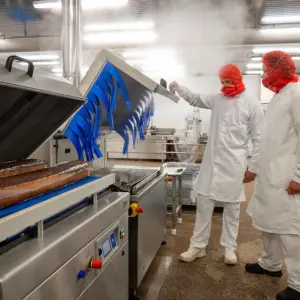
Digital investment is also delivering benefits in meat processing. Cumbria-based Todds of Kendal has introduced advanced bacon slicing technology, allowing the business to improve production efficiency, increase throughput during busy periods and offer customers a bespoke slicing service.
Owner Paul Hevey said: “Investing in our new bacon slicing machine has enabled us to offer a bespoke slicing service while significantly improving efficiency.”
In the brewing sector, Greater Manchester’s Brightside Brewing has installed precision monitoring technology to enhance quality control and consistency across its growing range of premium gluten-free lagers.
Director Carley Friedrich said the investment positions the brewery for future expansion.
“It’s a market-leading piece of technology and a significant commitment for a business of our size. Now it’s installed and already delivering results, we’re in a much stronger position to grow our keg offering, reach new customers and continue building our reputation for quality beer.”
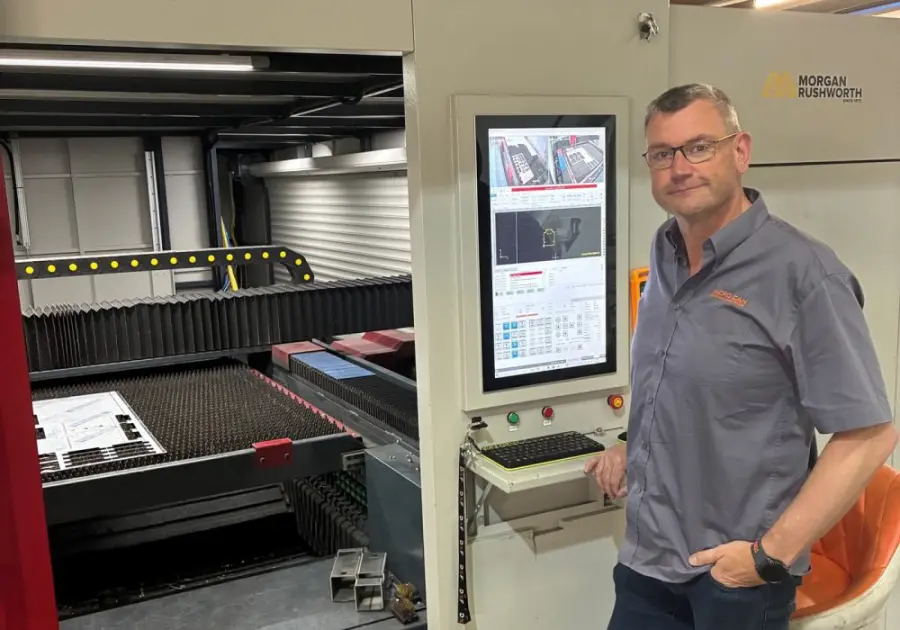
Meanwhile, food packaging manufacturer Micro Can has strengthened its manufacturing capability by bringing laser cutting and bending operations in-house. The investment has significantly increased production flexibility and has already generated more than £1.4 million in additional turnover.
Managing director Warren Stanley said: “Bringing cutting and bending capabilities in-house has revolutionised Micro Can. We can now develop, test and refine ideas at a pace that was unimaginable before.”
Investment reflects wider manufacturing trend
Beyond grant funding, Made Smarter provides SME manufacturers with digital transformation workshops, independent technology advice, leadership development, workforce training and digital internship programmes, helping businesses build the capabilities needed to successfully adopt new technologies.
The latest investments also reflect a broader trend within the food and drink manufacturing sector, where companies are increasingly looking beyond individual pieces of equipment and towards integrated digital production systems that improve efficiency, resilience and product quality.
As labour shortages, rising operating costs and increasing customer expectations continue to reshape manufacturing, automation and smart production technologies are becoming strategic investments rather than optional upgrades.
For food and drink SMEs, initiatives such as Made Smarter are helping lower the barriers to adoption, enabling businesses to modernise operations, improve competitiveness and prepare for the next phase of digital manufacturing.