Robot wars
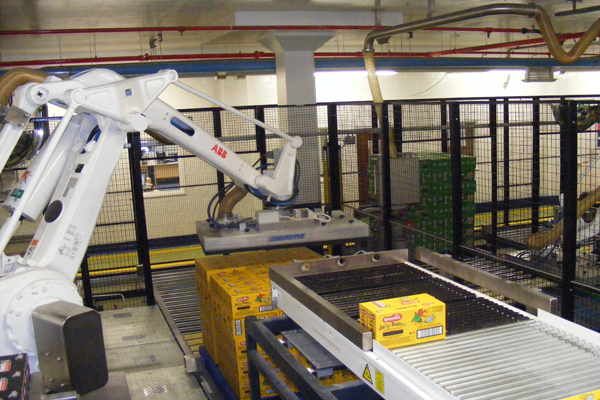
Last week I visited ABB Robotics’ UK headquarters in Milton Keynes, UK, where the company was holding a week long event coined Engineering an Automation Nation.
Believing that robots will play a major role in re-establishing the country in the coming industrial revolution, the event welcomed manufacturers, partners, educational establishments, students and media personnel to take part in a variety of activities, such as hands-on workshops, educational seminars and demonstrations of the latest advances in robotic technology from ABB’s portfolio.
Despite the benefits of robots, such as their ability to transform productivity and competitiveness, the UK is languishing in the lower regions of the list of developed countries using robotic automation. Indeed, excluding automotive manufacturing, which commonly accounts for about half of new robotics installations, there are just 28 robots per 10,000 non-automotive employees in the UK, which means we’re trailing in 21st place in the world.
The ABB event welcomed those interested in the benefits of using robots in manufacturing processes, and explained how the abilities of both people and robots can be best combined to innovate and create new possibilities in manufacturing, attempting to ease common concerns such as lack of both skills and resources to confidently implement and support robots.
Mike Wilson, general industry sales and marketing manager at ABB Robotics, says, “Even with the availability of real proof showing how robots can help transform productivity and competitiveness, turning interest into action, particularly amongst smaller companies, continues to be hampered by concerns over cost, lack of knowledge and flexibility.
“Yet it doesn’t have to be this way. When it comes to robot based automation, starting small and simple can bring tangible benefits, whilst allowing production teams and management to get used to this new technology.”
ABB called for joined up thinking between industry and government in order to convince UK manufacturers to invest in automation.
Wilson concludes, “We believe that automation can play a major role not only in building a healthy and competitive manufacturing sector, but also in encouraging the development of a creative and skilled workforce.
“For this to happen will require a long-term, joined up strategy linking education, technology and industrial policy, with government and industry working together to put in place goals and ensure they are met.”