Carton Packaging breakthrough modernises shelf‑stable tuna
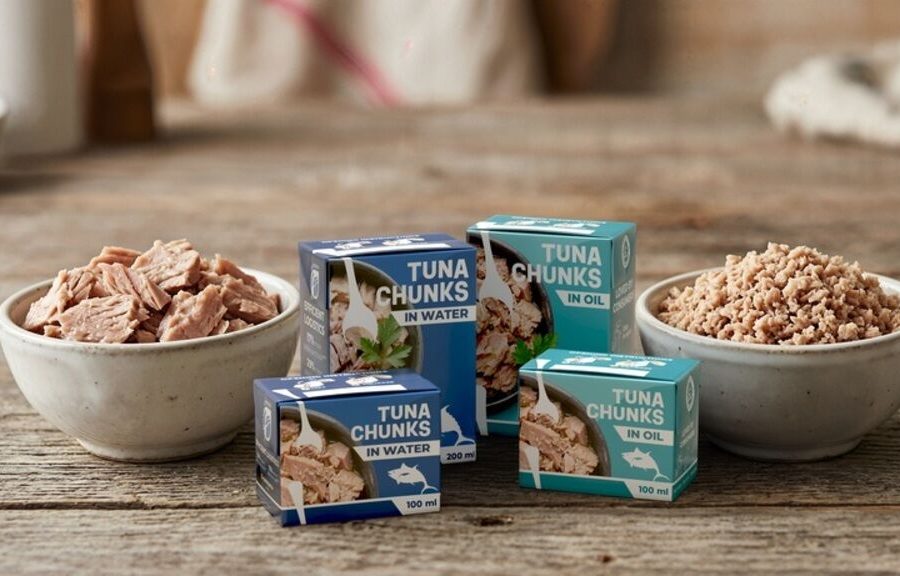
Tetra Pak and Spanish seafood producer Jealsa have unveiled the industry’s first carton packaging for shelf‑stable tuna, a move that could reshape one of the food sector’s most established and slow‑to‑change categories.
The launch, using Tetra Recart, marks a significant moment for brands seeking lower‑carbon, cost‑competitive alternatives to cans — and a new way to modernise a global staple.
Packaged in the 200ml Mini format, the product debuted in Sweden with retailer Axfood and is now available for food producers worldwide.
The collaboration brings together Tetra Pak’s expertise in paper‑based packaging innovation and Jealsa’s 68‑year heritage in shelf‑stable seafood production.
A new format for a category built on cans
Shelf‑stable tuna is one of the world’s most recognisable packaged foods, with global volumes expected to grow 12% to 12.4 billion units by 2030. Yet the format has barely changed in decades.
Tetra Recart introduces a paper‑based alternative that offers producers a way to differentiate in a crowded aisle while responding to rising expectations around sustainability, convenience and modern design.
Tetra Recart already supports spreads, flakes, shredded tuna and chunks, with more preparations planned as the category evolves. For producers, it offers a cost‑competitive, scalable solution that can run on high‑volume lines while delivering a fresh visual identity on shelf.
Tatiana Liceti, executive vice president, packaging solutions at Tetra Pak, said the launch represents a breakthrough in a category long defined by metal.
“This is true packaging innovation in a category that has looked the same for generations. We are giving producers a new way to stand out, protect and grow market share, and modernise with a paper‑based alternative to cans.”
Jealsa president Jesús M. Alonso Escurís said the collaboration sets a new benchmark for the seafood industry.
We’ve brought a game‑changing packaging solution to market, combining innovative formats with our long‑standing heritage in high‑quality seafood. Following a successful launch in Sweden, we are already seeing strong momentum.”
For manufacturers across ambient grocery, the shift signals a broader opportunity to rethink long‑established categories. Tetra Recart offers:
- Lower carbon impact — 85% lower than steel cans and 83% lower than glass jars, equating to 21,000 tonnes less CO₂ per 1 million cans.
- Renewable materials — up to 71% FSC‑certified paper.
- Shelf efficiency — rectangular cartons fit tightly together, improving merchandising and reducing wasted space.
- E‑commerce readiness — robust, easy to stack, and ideal for meal kits and home delivery.
- Consumer appeal — 80% of consumers say they would buy tuna in Tetra Recart; 58% prefer it to existing formats.
For producers seeking to modernise legacy categories, reduce emissions, and meet retailer expectations for more sustainable packaging, the launch demonstrates how paper‑based alternatives can unlock new value.
Jealsa will roll out multiple Tetra Recart tuna products under its Rianxeira, Mare Aperto and Robinson Crusoe brands, as well as for private‑label partners — signalling the start of a broader shift as demand grows for convenient, protein‑focused foods packaged for a lower‑carbon future.
Topics
cartons Paper-based packaging seafood shelf‑stable tuna
PeopleJesús M. Alonso Escurís Tatiana Liceti
Organisations