Testing inconsistencies threaten packaging quality
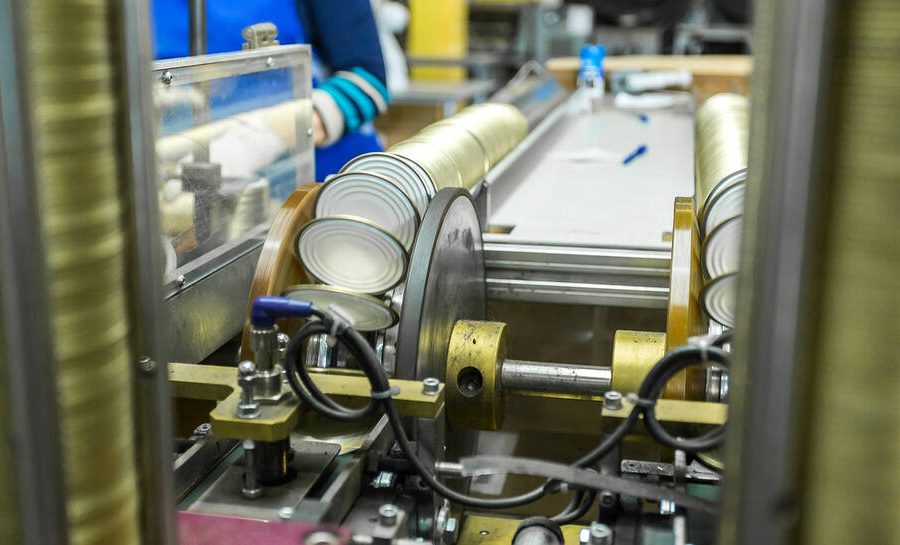
Metal packaging manufacturers are bracing for a far more demanding operating environment as sustainability rules tighten in Europe and regulatory fragmentation grows in North America.
But new research from Industrial Physics, the global test and measurement partner, suggests many producers are not equipped with the reliable data needed to navigate this shift.
According to the independent survey of 200 canmaking and filling professionals across the UK, US, Germany and India, 92% of respondents said current technology cannot guarantee consistent, measurable test results. The finding exposes a critical weakness at a time when the sector is under pressure to lightweight cans, increase recycled aluminium content and meet tightening sustainability targets.
Stefan Welker, strategic segment manager at Industrial Physics, said the scale of the challenge is being underestimated.
“The scale of the risk is difficult to overstate here,” he said. “The impact of inaccurate, unreliable measurement is enormous and prohibits effective scaling and standardisation between sites.”
Quality failures remain the top technical threat
The research highlights that quality issues detected too late in production are the number‑one technical risk, cited by 86% of respondents. With beverage lines running at more than 2,000 cans per minute, even minor delays in detection can result in tens of thousands of defective units before corrective action is taken.
Manufacturers also identified structural integrity (33%), cost control (31%) and sustainability targets (30%) as their top priorities for the next three years — a combination the report describes as a “technical paradox”. Competing demands are converging faster than production systems are evolving, leaving many operations without the process control needed to manage risk effectively.
Welker said the industry knows what is coming but is still held back by outdated assumptions.
“The industry clearly understands what’s coming: tighter sustainability targets, increasing production complexity and zero tolerance for defects,” he said. “What’s holding progress back isn’t technology — the solutions already exist.”
Regional confidence gaps widen as regulatory pressure grows
The report also reveals sharp differences in confidence levels across global markets. While 96% of respondents in India expressed confidence in supply chain resilience approaching 2028, this fell to 92% in Germany, 84% in the US, and just 78% in the UK.
The findings reflect diverging regulatory landscapes. In Europe, manufacturers are preparing for sweeping changes under the Packaging and Packaging Waste Regulation (PPWR), while in North America, states are already implementing varying rules and fines — creating a patchwork of compliance requirements that complicates production planning and quality assurance.
A call for urgent investment in modern measurement systems
Industrial Physics argues that the sector must now move from awareness to action.
“Too many are still operating on outdated assumptions about what measurement technology can do,” Welker said. “Those who invest now will be far better positioned to reduce waste, protect quality and meet regulatory expectations. Those who don’t are gambling with their brand, their output — and their future.”
The full report, Ready but not prepared: Metal Packaging’s 2028 reality check, outlines how sustainability pressures, production complexity and quality expectations are converging — and what manufacturers must do to remain competitive as 2030 regulatory deadlines approach.
Download the report here: https://industrialphysics.com/campaign/ready-but-not-prepared-metal-packagings-2028-reality-check/