 Building the circular infrastructure
Cracking the confectionery wrapper
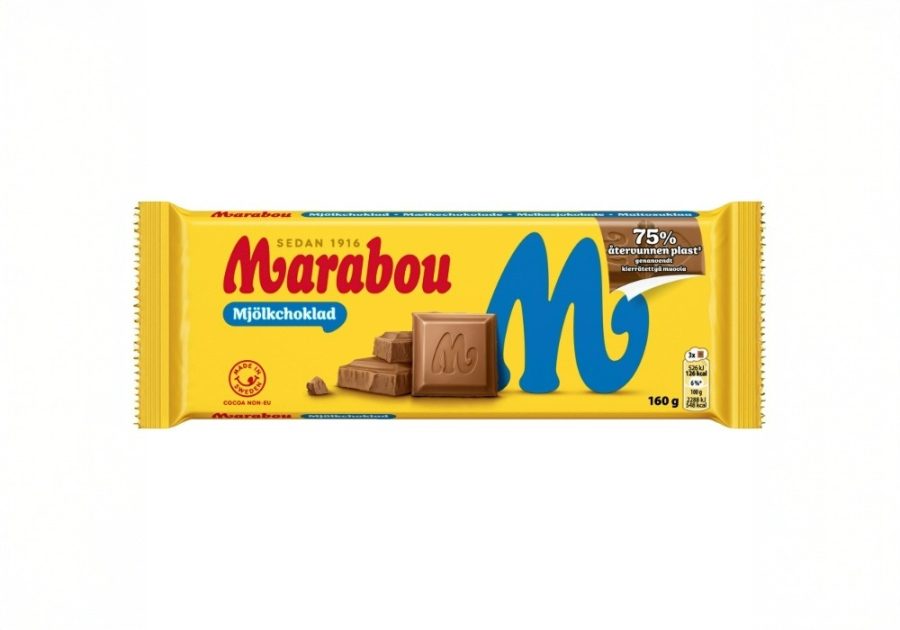
A major consortium of packaging and chemical heavyweights has successfully cracked one of the toughest challenges in food manufacturing: creating food-safe, highly recycled flexible film.
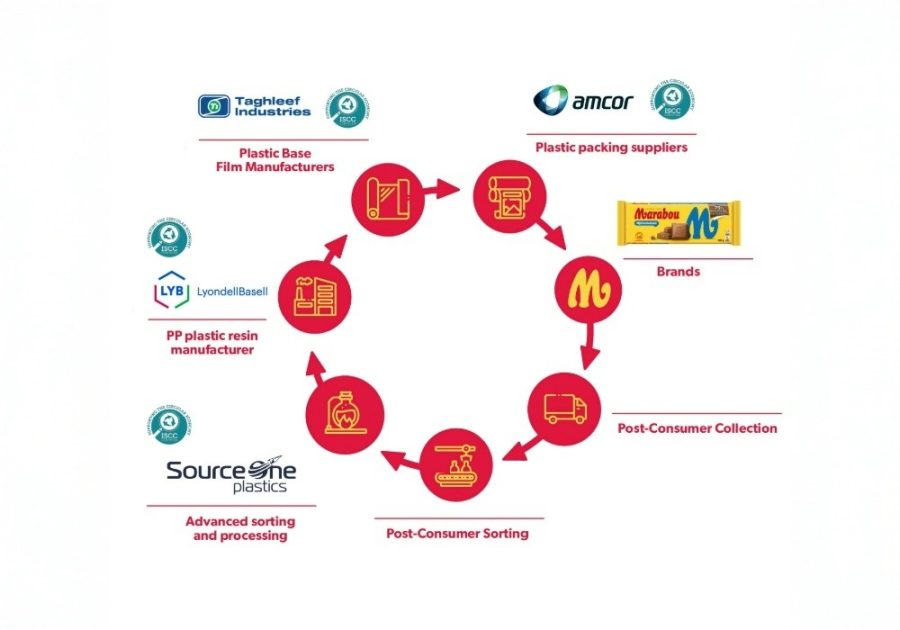
Global chemical leader LyondellBasell (LYB) has joined forces with Mondelēz International, film manufacturer Taghleef Industries, and packaging converter Amcor to roll out a new packaging solution for Marabou chocolate bars.
The wrapper uses LYB’s CirculenRevive polymers, using an ISCC PLUS-certified mass balance approach to deliver a final flexible wrapper sourced from 75% recycled plastic. This milestone moves the industry closer to a closed-loop system for post-consumer mixed plastic waste, which has historically been destined for landfill or incineration.
Legislative pressures and market potential
The timing of this launch directly addresses the ticking clock of European environmental policy. Under the impending European Union Packaging and Packaging Waste Regulation (PPWR), food brands face strict, legally binding targets for recycled content in plastic packaging.
While rigid plastics like PET bottles have established mechanical recycling streams, flexible food packaging has remained a persistent compliance bottleneck. Mechanical recycling typically degrades the plastic, making it impossible to meet strict food-contact safety standards. This development proves that chemical recycling — breaking plastic waste down to its molecular core to rebuild virgin-quality polymers — has transitioned from a laboratory concept into a viable commercial reality for mass-market brands.
 Building the circular infrastructure
What makes this development structurally important is the industrial scale being built behind it. LYB is currently constructing its first commercial-scale catalytic chemical recycling plant, MoReTec-1, in Wesseling, Germany.
Once fully operational, the facility is designed to convert 50,000 metric tons of hard-to-recycle plastic waste into circular feedstocks annually. Sorting and pre-processing will be anchored by Source One Plastics, a specialised joint venture in Germany. This integrated infrastructure ensures a stable, scalable supply chain for brands looking to de-risk their packaging lines ahead of regulatory deadlines.
Richard Akkermans, packaging sustainability manager at Mondelēz International, emphasised the collaborative nature of the breakthrough: “For consumers, the message is simple: plastic packaging can be recycled and allocated back into new food packaging. This initiative shows what becomes possible when brand owners, recyclers, packaging material producers and converters work together to turn circular ambition into commercial reality.”
Topics
confectionery films flexible films PPWR recycled plastic wrappers
PeopleOrganisationsAmcor LYB LyondellBasell Marabou Mondeléz International Taghleef Industries