The nutritional content of tea
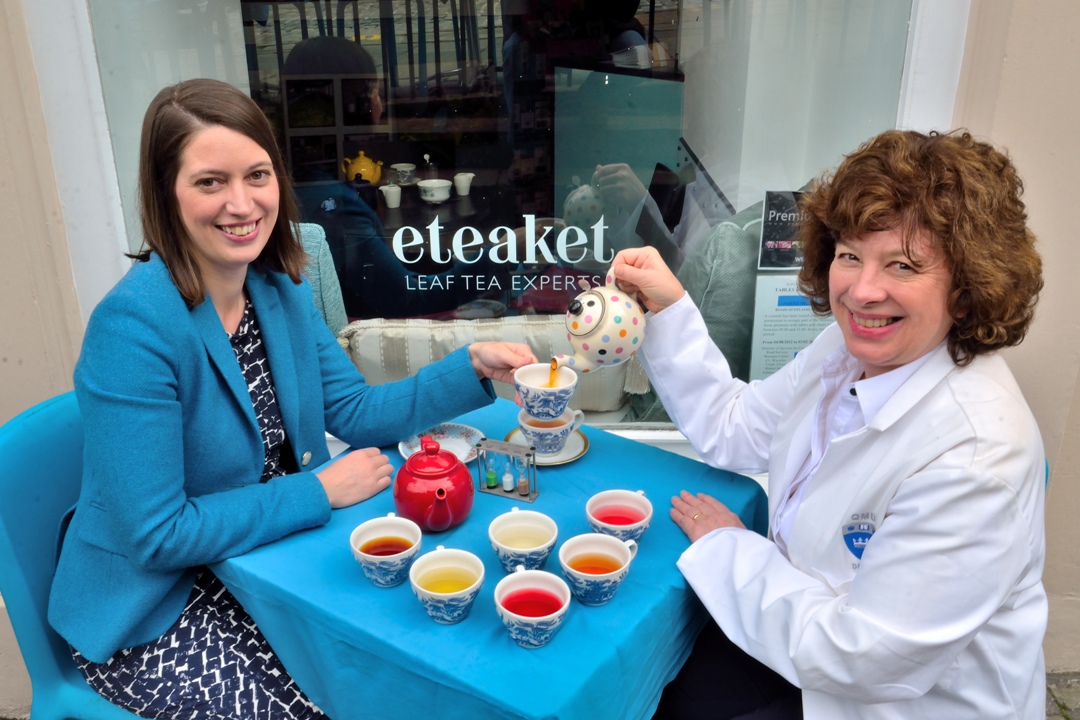
Food and drink scientists from Queen Margaret University (QMU) have partnered a UK based artisan tea company to offer consumers more information about the contents of their tea cup.
eteaket, a loose leaf speciality tea company, aimed to expand its range of speciality teas for the UK and overseas market and to provide customers with more detailed nutritional information about caffeine and antioxidant levels to assist them in choosing a tea.
Dr Mary Warnock, senior lecturer in microbiology at Queen Margaret University, discussed the findings: “Tea contains numerous different natural chemicals which act as antioxidants, including vitamin C (ascorbic acid) and tannins. Antioxidants play an valuable role in maintaining good health. They can help protect cells from damage and are important in the fight against disease.
“Our research showed that some of eteaket black teas have a high caffeine level but some tea enthusiasts might be surprised to learn that it is those teas that also have a high antioxidant level. eteaket’s English breakfast black tea variety had the greatest antioxidant content and the Silver Needle variety of white tea had the least. eteaket’s Oriental Oolong and English Breakfast teas contained the highest levels of caffeine while Decaf Breakfast and Big Red Rooibos contained no or negligible amounts.
“Even though black teas have a relatively high amount of caffeine, it is still only about half the amount that is found in coffee and energy drinks.”
Dr Warnock concluded: “Hopefully this information will be really helpful to consumers who are interested to know about the nutritional content of their tea. So for example, those who are looking to reduce caffeine in their diet could choose to select eteaket’s Decaf Breakfast or the Big Red Rooibos varieties.”