
Beyond the burn: the multi-sensory evolution of heat
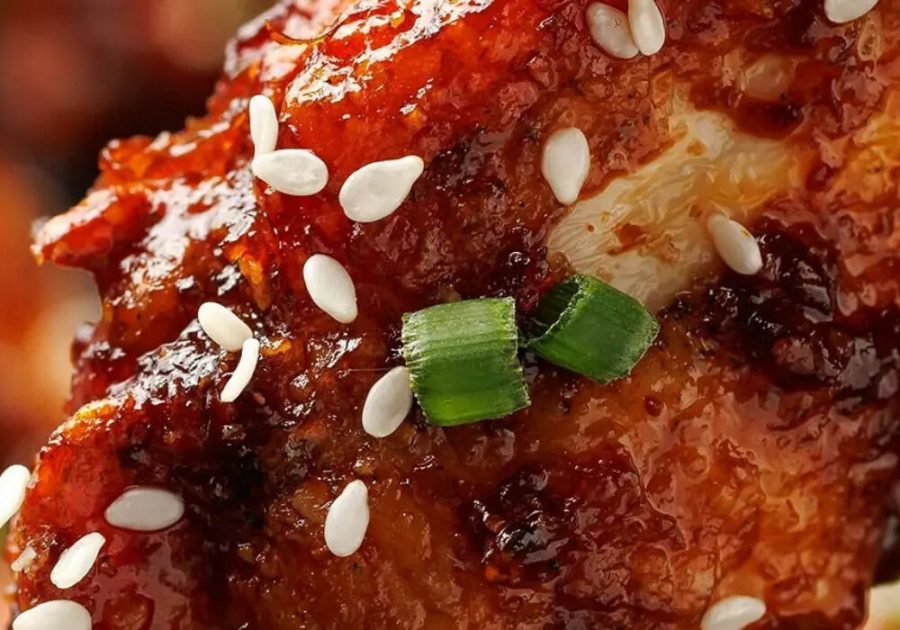
As global culinary trends continue to evolve, hot and spicy flavours are moving beyond simple intensity to become a more nuanced, experience-driven category.
Today, consumers are seeking layered sensations — from lingering warmth and cooling effects to complexity and cultural authenticity. Through the lens of Givaudan’s 7th Chef’s Council in Mexico City, we explore how “heat” is being redefined as a total sensory journey.
For decades, the “spicy” category was defined by a single metric: the Scoville scale. Success was measured by endurance — how much heat could a consumer stand before reaching for the milk? But as we look toward 2026, that linear approach is being replaced by a multidimensional philosophy. Heat is no longer just a challenge; it is an identity, a cultural bridge, and a complex sensory architecture.
“Consumers increasingly want more than just ‘heat’,” explains Thomas Ullram, global marketing director at Givaudan Taste & Wellbeing. According to Ullram, the market is shifting toward “layered sensations” that engage the entire palate and the emotions. This evolution is being showcased at the 7th edition of Givaudan’s Chef’s Council in Mexico City, a global hub for spice, where the industry’s leading minds are translating kitchen-crafted brilliance into scalable commercial realities.
The new hierarchy of heat
The driving force behind this change is a demographic shift in flavour expectations. Younger consumers, specifically Gen Z and Millennials, are no longer satisfied with familiar profiles. In fact, a staggering 90% of Gen Z consumers crave bold and spicy flavours, while one in three actively seek out unique or novel taste experiences.
“Younger consumers… are redefining flavour expectations by seeking bold, spicy, and novel taste experiences,” says Ullram. This isn’t just about food; it’s about social currency. Social media trends have transformed spicy challenges into symbols of creativity and status. This “appetite for adventure” has led to a preference for interesting flavour combinations over the familiar — a sentiment shared by 42% of global consumers.
For 2026, flavour development will prioritise a balance of sensations: warmth, tingling, numbing, cooling, and aromatic depth. This “full sensory spectrum” ensures that sight, touch, and emotion are engaged as much as the taste buds themselves.
The four pillars of global spice
Givaudan’s research has identified four key trends that will define the hot and spicy landscape in the coming years:
- Experiential heat: this focuses on layered spicy combinations. The familiar “Swicy” (sweet + spicy) is evolving into “Swangy” (spicy-sweet-tangy) and “Swavory” (spicy-sweet-savoury). It also includes “unexpected heat,” such as the thrill of hot versus cool contrasts.
- Hot indulgence: this trend treats spice as a “little luxury.” It involves pairing heat with premium ingredients or creating “creamy spice” profiles that offer a rich mouthfeel alongside indulgent warmth.
- Mindful spice: reflecting the wellness movement, this trend combines heat with functional benefits. Examples include “fermented zing” from kimchi or chili crisps, and “functional heat” where ingredients like ginger or cayenne pepper are used for “warm wellness.”
- Glocal heat: a playful mashup of global heat cultures with local traditions.
Authenticity in a globalised market
Perhaps the most significant driver of the spicy revolution is the desire for cultural exploration. Research indicates that over 80% of consumers are eager to explore hot and spicy foods from different cultures. This curiosity is manifesting in a demand for hyperlocal and regional authenticity.
Consumers are moving past generic labels and seeking specific profiles like Korean Gochujang, Sichuan Pepper (mala), and Maghreb Harissa. There is also a rising interest in “exotic regional heat” from Africa, South America, and Southeast Asian regions, featuring ingredients like Thai bird’s eye chili or Mexican pimiento.
However, bringing these culturally rooted experiences to a global market presents a challenge: how do you maintain authenticity at scale? Ullram suggests a three-pronged approach:
- Leveraging traditional ingredients: using indigenous peppers like Japanese yuzukosho or Mexican pimiento that resonate with cultural stories.
- Preserving the ‘core’: maintaining the signature sensory notes, such as the numbing spice of Sichuan mala or the smoky earthiness of harissa.
- Modulating heat levels: adapting authentic flavours into formats and intensities suitable for broader markets to ensure repeat consumption.
To support this, Givaudan utilises tools like “Hotness Modulators,” which allow brands to adjust intensity while preserving the underlying flavour complexity.
Insights from the Chef’s Council: Mexico City 2026
The choice of Mexico City for the 7th Chef’s Council was intentional. Recognised as the second most influential cuisine worldwide after local favourites, Mexico offers a vibrant landscape where tradition meets innovation.
“Mexico was chosen for its rich cultural heritage, diverse chilli varieties, and vibrant culinary landscape,” Ullram notes. The Council brings together world-renowned chefs whose expertise is essential to “unlock multidimensional flavour sensations.” These collaborations help translate kitchen-side inspiration into “formulation-ready solutions.”
One of the emerging themes from this year’s council is the idea of “turning intensity into identity.” By exploring heat as a sensory spectrum — including colour, texture, and aroma — brands can create products that spark distinct emotional responses in the next generation of consumers.
From concept to commercial reality
Transitioning from a chef-driven concept to a large-scale production line is fraught with “pitfalls.” Common mistakes include cultural oversimplification (labelling everything “Asian”) and the loss of authenticity through the use of generic substitutes. Industrial processes often “flatten” the complexity and freshness of a heat profile.
To combat this, Givaudan employs the SenseIt Hot & Spicy lexicon, a tool designed to decode the nuances of heat, aroma, texture, and contrast. This ensures the chef’s original intent survives the journey to the finished product.
“Authenticity can be preserved by sourcing region-specific ingredients, using appropriate flavour bases, and maintaining sensory integrity throughout processing,” Ullram explains. This often involves blending extracts and fermented pastes to mimic “kitchen-crafted depth” while using delivery technologies to ensure spice longevity.
The digital spice frontier
In the modern landscape, innovation is being accelerated by a suite of digital tools. Brands are now using AI-powered trend forecasting and predictive modeling to reduce trial-and-error.
Givaudan’s proprietary tools, such as FlavourVision and Social Media Intelligence, help identify shifts in consumer sentiment in real-time. For the development phase, the Virtual Aroma Synthesizer (VAS) and the MyRomi handheld delivery device allow for rapid prototyping and co-creation with consumers. These technologies shorten innovation cycles by connecting sensory science with formulation intelligence.
2026 and beyond: the future of fire
Looking ahead, Ullram predicts that the category will continue to mature toward multi-dimensional experiences. We can expect to see more “fruity fire” profiles, such as hot honey or sweet gochujang, and an increased emphasis on mouthfeel — think creamy, crunchy, or oily textures paired with heat.
“Cultural storytelling will become central,” Ullram predicts, as brands highlight the provenance of indigenous peppers like Biquinho or Cheongyang.
The reach of spicy flavours is also expanding into unexpected categories. Spicy launches in dairy and alcoholic beverages are already growing by double digits.
Finally, the way consumers engage with spice will become increasingly digital, with AR flavour journeys and social media challenges turning “heat” into a “shared cultural experience.”
In 2026, the question for brands is no longer “How hot can we make it?” but “How memorable can we make the journey?”
Thomas Ullram is the global marketing director at Givaudan Taste & Wellbeing. Givaudan continues to lead the industry in flavour innovation through initiatives like the Chef’s Council and its suite of TasteSolutions technologies.