Authenticity spotlight on fish, oils and rice
Demand for authenticity tests have soared in the wake of the horsemeat scandal, with the spotlight now on fish, speciality oils and basmati rice, according to laboratory RSSL.
“Any food ingredient that has a price premium, and similar-looking ingredients that are cheaper, is potentially vulnerable to adulteration,” says Jane Staniforth, of RSSL. “When fish has been processed and presented as de-skinned fillets or flakes, it would be very difficult to identify the species by visual inspection alone. It is necessary to use DNA tests similar to those used recently to detect horsemeat contamination in beef products.
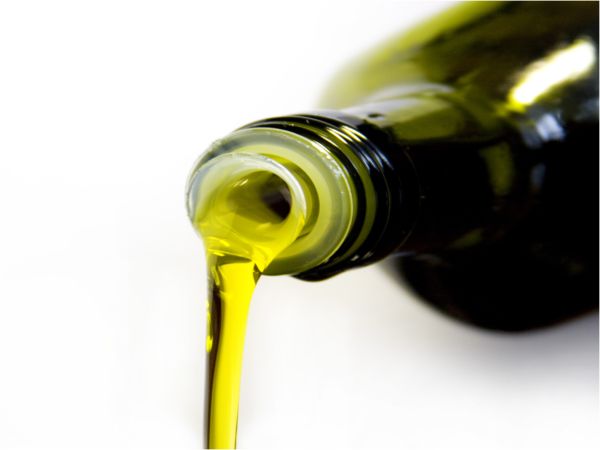
“Products like olive oil, and other oils, require a multi-variate chemical analysis, either to identify substitution with cheaper oils, or addition of lower quality authentic oils. It is not always possible to give an absolute guarantee of authenticity but the absence or presence of certain chemical markers can give some clues.”
Staniforth goes on to say that RSSL has not seen evidence of widespread problems but agrees that manufacturers are right to be cautious.”
Manufacturers will see it as part of a due diligence programme to check supplies for authenticity, as well as for other measures of safety and quality,” she adds. “The horsemeat saga has shown that no one can take the authenticity issue for granted.”