Researchers develops clay technology to slow spoilage in fresh produce
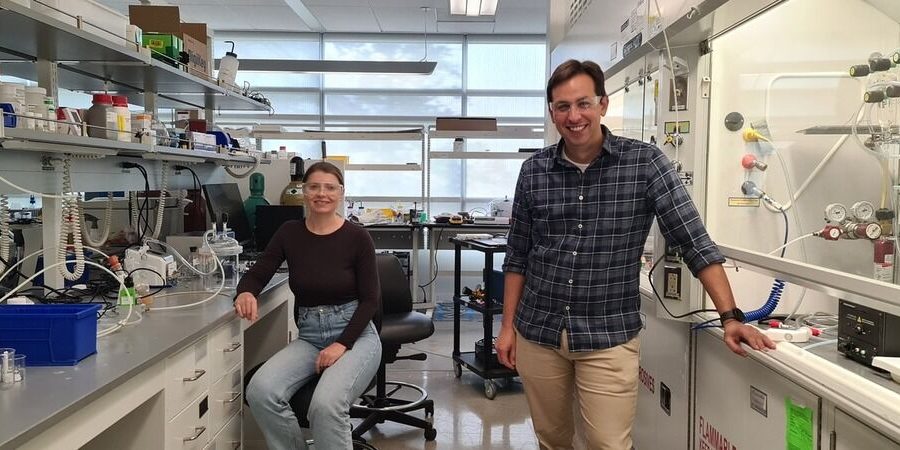
The research was led by Bordallo's group at the University of Copenhagen in collaboration with her group members, Karina Kovalchuk and Leander Michels at Lawrence Berkeley National Laboratory (LBNL).
The University of Copenhagen has developed a new engineered clay material designed to prevent fruit and vegetables from rotting too quickly — a breakthrough that could significantly reduce food waste and open new possibilities for next‑generation sustainable food packaging.
The innovation, created by University of Copenhagen scientists, works by absorbing ethylene, the natural ripening hormone released by fresh produce. Ethylene accelerates softening, colour change and decay, meaning even small concentrations can shorten shelf life during storage, transport and retail display. By capturing this gas before it accumulates, the clay slows down the ripening process and keeps produce fresher for longer.
Tackle food waste
Food waste remains one of the biggest environmental and economic challenges in the fresh produce supply chain. Fruits and vegetables are among the most wasted food categories globally, often spoiling before they reach consumers. University of Copenhagen’s engineered clay offers a low‑cost, scalable and natural solution that can be integrated into existing handling systems.
A University of Copenhagen scientist involved in the project said: “Ethylene is a major driver of premature spoilage. By designing a clay that can selectively bind and trap this gas, we can extend the life of fresh produce without chemicals or additives.”
The team emphasises that the material is based on naturally occurring minerals, making it safe, stable and suitable for food‑contact environments.
What the clay can do for food packaging
The clay’s ethylene‑absorbing properties make it a strong candidate for active packaging — packaging that doesn’t just contain food but actively protects it.
According to the University of Copenhagen: “This technology can be incorporated into packaging films, pouches or inserts, giving producers and retailers a new tool to keep fruit and vegetables fresher for longer.”
Potential applications include:
- Modified‑atmosphere packaging (MAP) where the clay helps maintain optimal gas balance
- Absorbent pads or sachets placed inside punnets or trays
- Coatings or layers integrated directly into packaging materials
- Reusable crates or transport boxes lined with the clay to protect produce during distribution
By extending shelf life, the clay could help retailers reduce shrink, improve product quality and cut the environmental footprint associated with wasted produce.
A step toward more sustainable supply chains
The University of Copenhagen says the technology aligns with broader industry goals to reduce waste, improve resource efficiency and support more sustainable packaging systems. Because the clay is mineral‑based and does not rely on synthetic chemicals, it offers a clean‑label approach that fits with consumer expectations around natural solutions.
The institute is now exploring commercial partnerships to scale the material and adapt it for different produce types and packaging formats.
The scientific article about the study has been published in the journal Applied Surface Science Advances.
Topics
clay ethylene food waste fresh produce fruit MAP modified atmosphere packaging shelf life vegetables
OrganisationsRegions