UK’s changing tastes revealed
Last week, the Department for Environment, Food & Rural Affairs (Defra) released data from the National Food Survey, which shows how the UK’s relationship with food has changed over three generations.
The survey has been running in some form since 1940. In that time, households have been filling out diaries of their weekly food and drink purchases to create national estimates of the types and quantities of food purchased and consumed.
The data – which includes information from around 150,000 households who took part in the survey from 1974 to 2000 – was published as part of Defra’s commitment to open data.
Environment secretary Elizabeth Truss explains, “Food is the heart and soul of our society and this data not only shows what we were eating 40 years ago, but how a change in culture has led to a food revolution.
“By opening up this data we can look beyond what, where or how previous generations were eating and pinpoint the moments that changed our habits for good.”
Despite constant warnings from public health officials about rising obesity levels in the UK and unhealthy diets, the statistics suggest that healthier eating habits are being adopted.
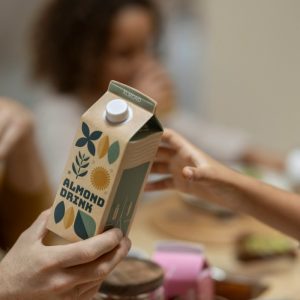
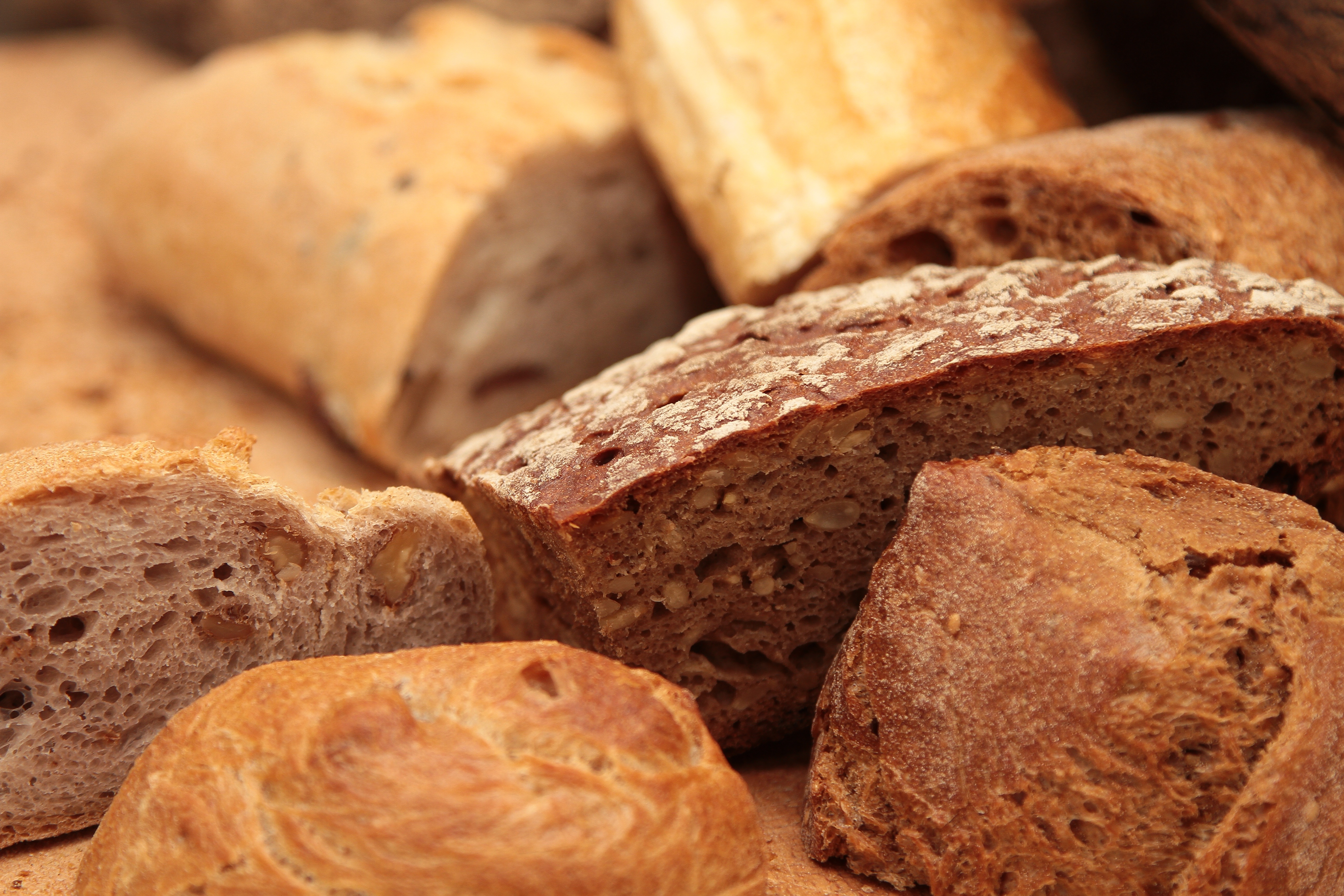
As it’s National Toast Day today (I hope you didn’t forget!), I’ll start with a bread themed example: consumption of white bread has dropped by 75 per cent since 1974, however that of brown and wholemeal bread has risen by 85 per cent. Likewise, skimmed milk overtook whole milk in the 1990s and we now drink four times as much.
In addition, fresh fruit purchases increased by nearly 50 per cent, while that of ‘soft drinks, not low calorie’ dropped by one third.
Purchases of salmon also increased by a whopping 550 per cent, reflecting messages of its ‘good fats’ benefits.
The initial open data release of National Food Survey data from 1974 to 2000 is available here.