Table top sweeteners: actors, debates and directions that shape tomorrow
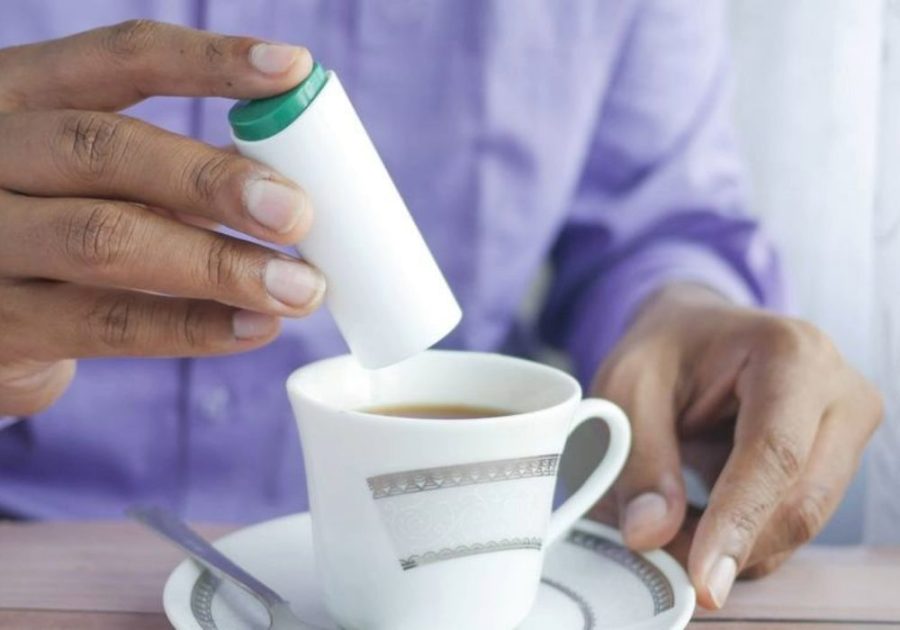
The category of consumer tabletop formats consists of packets/sachets, tablets, sticks, canisters but not bulk sweeteners used by manufacturers.
The global tabletop & sachet market is estimated at the value of USD 4.05 billion in 2024 with Europe having approximately 30% of global tabletop sweeteners revenue (source: (1) Verified market reports on Global Tabletop and Sachet Sweeteners). Europe has a 2024 estimated value of USD 1.22 billion for tabletop sachet sweetener.
The “big four” Germany, UK, Italy and France dominate the European sweetener space with 70%+ combined. General FMCG/retail weighs respecting shares of 22, 18, 14 and 15%.
Birthplace of the product, giant of consumption
The US sweetener market as a whole is estimated around USD 3.7 billion by 2025, with a 5.4% CAGR through 2035. North America, which includes the US, has the largest regional share of the global tabletop sweeteners market. Dedicated US data for tabletop sweeteners only is not publicly available. Extrapolating from North American dominance and overall trends suggest the US segment likely ranges between USD 600–800 million today, anticipated to approach USD 1 billion by 2030. It could scale up towards USD 1 billion by 2030, assuming steady growth aligned with regional trends.
Europe, fertile ground for market expansion
 In 2023, the tabletop and sachet sweeteners sector in Europe was valued at around USD 1.2 billion, with a modest growth forecast of 3.8% through 2032. The larger European sweetener market including bulk and food-industry usage is significantly larger at USD 11.85 billion in 2025, reflecting expansive demand across applications from consumer packets to food manufacturing.
Key compounds used in tabletop sweeteners
Sucralose is well known for its stability and sweetness, used in brands like Splenda. Plant-derived stevia (Steviol glycosides) is “natural” and popular for its zero-calorie appeal. Probably the widely used, though controversial due to health debates, one find aspartame. Acesulfame K is often blended with other sweeteners for better taste. Made of sugar alcohol, erythritol frequently combined with stevia is the component of Truvia. Two newcomers entered the market : Monk Fruit gaining traction for its natural origin and allulose (or D-Psicose) a product with the same chemical formula as fructose, but a slightly different structure.
Three US heavyweights and one brit
 In the trio of leaders, one finds Merisant global sweetener company, a subsidiary under MacAndrews & Forbes, acquired by Whole Earth Brands in 2020. With a presence spanning North America, Europe, Latin America, and Asia-Pacific, it maintains a corporate HQ in Chicago, several regional offices across key markets, and a network of facilities—both owned and contracted – for production and distribution. Merisant markets its brands like Equal, Canderel and PureVia.
Cumberland Packing Corporation is a privately held, family-owned American food-processing company and headquartered in Brooklyn, New York. The company pioneered the first granulated sugar packet by repurposing tea-bagging equipment. Cumberland Packing is best known for its Sweet’N Low brand, a saccharin-based zero-calorie sweetener sold in pink packets. Over time, its product portfolio expanded to include natural sweeteners like Sugar, Stevia, Agave, Monk fruit in The Raw, as well as NatraTaste and Sweet One.
Heartland Food Products Group is a privately held, family-owned company headquartered in Carmel, Indiana. It specialises in producing low-calorie sweeteners and liquid water enhancers. It owns the global Splenda brand overall, including the North American market. In 2015, Heartland acquired the Splenda brand from Johnson & Johnson, making it the global leader in tabletop sweeteners.
 British-based multinational company Tate & Lyle specialises in food and beverage ingredients. Headquartered in London, it focuses on sweeteners, fibres, and functional systems, serving customers worldwide. The company has shifted from its historical sugar refining roots to become a leader in healthier food solutions. The company holds the rights to produce and market Splenda in Europe (and some other international markets). In addition, Tate & Lyle provides other sweetening ingredients suitable for tabletop use, such as Purefruit Monk Fruit Extract, Tasteva Stevia Sweetener, and Dolcia Prima Allulose.
Persistent aspartame health controversies
Aspartame has historically been the most widely sold tabletop sweetener globally, largely due to its long-standing presence in the market and use in many diet beverages, tabletop sweeteners, and packaged foods. The health controversies therefore resonate among consumer. To cut a long story short, here is the status:
In July 2023, the International Agency for Research on Cancer (IARC) classified aspartame as “possibly carcinogenic to humans” (Group 2B), citing limited evidence linking its consumption to hepatocellular carcinoma, a type of liver cancer. This classification reflects a potential hazard rather than a confirmed risk, and does not account for typical levels of exposure. In parallel, the Joint FAO/WHO Expert Committee on Food Additives (JECFA) conducted a comprehensive risk assessment and concluded that the current acceptable daily intake (ADI) of 40 mg/kg body weight remains safe for human consumption.
These evaluations complement, but do not override, the European Food Safety Authority’s (EFSA) 2013 scientific opinion, which also upheld the safety of aspartame at existing exposure levels. While the IARC’s findings have reignited public debate, regulatory bodies continue to emphasise that occasional or moderate consumption of aspartame poses no significant health risk for the general population. Individuals with phenylketonuria (PKU), however, must avoid aspartame due to its phenylalanine content. Overall, the consensus among global health authorities remains consistent : aspartame is safe when consumed within established guidelines.
New next-gen natural sweeteners
Monk fruit sweetener is riding a wave of health-conscious momentum. Its market is projected to grow from $369.6 million in 2024 to $552.4 million by 2030, with a CAGR of 6.9%. Another report forecasts even more aggressive growth, estimating the market could reach $7.2 billion by 2035, driven by a 16% CAGR.
Made from a small melon native to Southeast Asia, monk fruit’s sweetness comes from mogrosides, natural compounds that are up to 250 times sweeter than sugar. It’s rich in antioxidants and may offer anti-inflammatory and anti-microbial benefits. Clean-label appeal: Consumers are increasingly demanding transparency and natural ingredients, which monk fruit delivers. Brands are blending monk fruit with other natural sweeteners (like erythritol or allulose) to mimic sugar more closely at about 11 kcal per teaspoon short. Monk Fruit In The Raw is produced by Cumberland Packing Corp
In a liquid form, Swicily provides grape sugar made from organic Sicilian grapes. 100% natural, unprocessed, and unfiltered, it preserves the nutritional benefits of the grapes with a lower glycaemic load than traditional sugar, it is commercialised by a private start-up, based in London.
Whole Foods named dates a top food trend so predictably date based sweeteners are reaching the market of tabletops. They are now used in syrups, pastes, and granules for their natural sweetness and fibre content. Tunisian PurDate specialises in date powder made from organic Tunisian dates, designed for beverages and frostings, where traditional date sugar does not dissolve well. Indian Sarika Ventures produces date powder and date sugar for bulk and retail use. Also, Rainforest Supply (USA) offers ultra-pure date powder as a nutrient-rich alternative to refined sugar. The three actors target health-conscious consumers looking for clean-label sweeteners.
Monk Fruit unlocks massive possibilities
Varinnia Gomes, technical services/R&D at Cumberland Packing Corp to conclude: “Monk fruit is not just a niche health food anymore. It is becoming a mainstream ingredient in the global shift toward better-for-you products. Innovation means valuing new ideas, taking risks and embracing change while improving our products. Monk Fruit In The Raw leverages high-purity mogroside V extracts, blended with dextrose to ensure solubility and bulk performance in culinary applications. Our formulation is designed to deliver consistent sweetness without glycaemic impact, aligning with modern nutritional science.”
| Main brands | ||
| Splenda | Sucralose | Developed by Tate & Lyle; widely used in foodservice and retail |
| Truvia | Stevia + Erythritol | Known for its natural profile and clean taste |
| PureVia | Stevia + Erythritol | Competes directly with Truvia in the natural sweetener space |
| Equal | Aspartame | Long-standing brand, especially popular in the US |
| Sweet ‘N’ Low | One of the oldest artificial sweeteners. Now the pink is in acesusulfameK and aspartame, the gold in sucralose and the green in stevia | |
| Monk Fruit in the Raw | Gaining popularity for its natural origin and mild taste | |
| Canderel | Traditionally, made of aspartame, but now also exist in sucralose, and stevia | Leader in France, Belgium and strong in Italy |
The recommended daily intake of aspartame
Each can of diet soda is estimated to contain 180 mg of aspartame: Using the acceptable daily intake (ADI) of aspartame (40 mg/kg), the consumption of diet soda cans per day based on body weight is as follow A person weighing 60 kg (132 lbs) could theoretically consume up to 13 cans/day At 70 kg (154 lbs) → 15 cans/day At 80 kg (176 lbs) → 17 cans/day At 90 kg (198 lbs) → 20 cans/day This chart helps translate regulatory limits into real-world terms. Of course, these are upper safety thresholds, not dietary recommendations. Most health experts suggest staying well below them, especially if other sources of aspartame are consumed.