US demand for alternative sweeteners set to soar
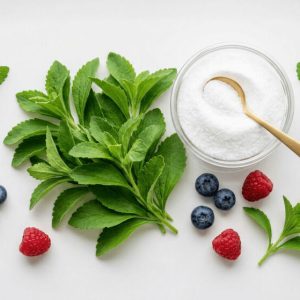
US demand for alternative sweeteners is expected to soar by 3.3 per cent by 2015 to £2.1 billion (€2.5bn), according to a new study, with gains led by continuing market penetration of relatively new entrants to the industry, including the stevia extract rebaudioside-A.
The more mature segments of the market – high intensity sweeteners (such as aspartame) and polyols (including sorbitol) – will see more restrained, though still healthy, increases in demand, says the report.
Entitled Alternative Sweeteners, the report from The Freedonia Group goes on to say that market trends will favour less processed ingredients, driving the use of sweeteners that can be marketed as ‘natural’. However, continuing consumer preference for reduced-calorie foods and beverages will ensure the ongoing use of ubiquitous sweeteners such as aspartame.
“Despite the drag of a declining soft drink market, high intensity sweeteners will remain the largest product category among alternative sweeteners, a leadership position rooted in their continuing domination of the large diet soft drink and tabletop sweetener markets,” says a Freedonia Group spokesman. “Aspartame will remain the leader in diet soft drinks, while the tabletop market will continue to be dominated by sucralose. Growth in other markets will be healthy, although high intensity sweeteners are used in much lower quantities outside of their two mainstay applications.
“Though expected to remain a fairly small share of the overall market, newer alternative sweeteners will register by far the fastest growth and generate the most interest among food and beverage processors, as well as among consumers.
In 2010, the FDA approved luo han guo (monk fruit) for use as a sweetener in the US, and while this product’s potential remains to be seen, its natural profile is on trend with current consumer purchasing decisions. Furthermore, full-calorie agave nectar is gaining traction due to its natural positioning as an alternative to high fructose corn syrup.”
Topics
beverages corn drinks food fruit health healthy ingredients natural soft drinks stevia sucralose sweetener sweeteners
Organisations